
Fire-Resistant Paint for Wildfire-Prone Homes: Prevention & Protection Tips
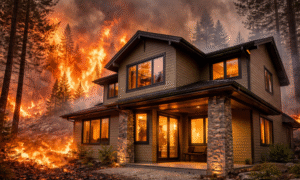
Every year, wildfires continue to threaten lives, homes, and entire communities. For homes in wildfire-prone areas, fire-resistant paint is an important safety upgrade. It helps protect the home’s exterior and interior. This specialized coating helps lower ignition risk and slows the spread of flames.
However, many homeowners in wildfire zones neglect this because of confusion about the application process. In this blog, we will clarify how fire-resistant paint works, who should consider it, and provide practical tips for selecting and applying it correctly. We will also inform you whether this paint is a worthwhile investment for your property and peace of mind.
Who Should Consider Fire-Resistant Paint?
Fire-resistant paint is particularly valuable for:
- Homes located in wildfire-prone or high-risk fire zones.
- Properties near forests, grasslands, or open terrain.
- Wood-framed or wood-sided homes.
- Older homes are being retrofitted for improved fire safety.
- Homeowners seeking added protection without major structural changes.
- It is most effective when used as a preventive upgrade, not as a last-minute solution.
How Fire-Resistant Paint Works to Shield Your Home from Wildfires
Fire-resistant paint is generally an intumescent coating. This means it reacts to high heat by swelling into a thick, insulating char. This char shields the material from flames and extreme temperatures, slowing combustion. It acts as a protective layer rather than a guaranteed fireproof barrier. Its job is to buy critical time, especially against wind-blown embers.
Protection Tips for Using Fire-Resistant Paint on Your Home
Here are practical, passive fire protection tips homeowners can follow:
Choose Compliant Fire-Resistant Paint
Start by carefully selecting the right fire-resistant paint. Do not rely on generic “fire-resistant” marketing terms. Look for independent, verifiable certifications on the label. Your paint should have been tested and listed by an accredited third-party laboratory, such as International Accreditation Service (IAS), ICC-ES, or FM Approvals. Additionally, your intumescent paints should be tested to strict ASTM standards such as ASTM E84 or ASTM E119. This helps ensure the coating provides reliable passive fire protection.
Note: For more information on Fire Codes and Compliance.
Surface Preparation
Before applying any fire-resistant coating, surfaces should be dry, clean, and free of debris or dust. Proper preparation ensures strong adhesion and optimal protective performance. This is especially important for wooden exteriors, where imperfections can compromise the coating’s effectiveness. Therefore, if you are considering fire-resistant paint for wood, this tip becomes absolutely critical and cannot be overlooked.
Application Methods
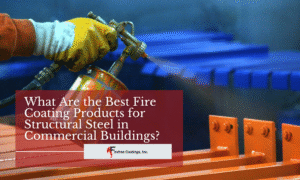
Most fire-resistant paints can be applied by brush, roller, or sprayer. When covering large exterior areas, using fire-resistant spray paint often improves consistency and saves time. For many intumescent paints, manufacturers provide specific application instructions that should be followed to achieve the rated fire protection. While siding is the primary focus, consider applying fire-resistant paint to other combustible elements, such as eaves, soffits, fascia boards, and attic vent enclosures.
Regular Inspections
Even high-quality coatings can degrade over time due to weather, UV exposure, or mechanical wear. To ensure consistent protection, you must maintain the coating. Conduct a visual inspection of the painted surfaces at least once a year, preferably before each fire season. Look for signs of damage, including cracking, peeling, chalking, or fading. You can reapply the fire-resistant paint every few years (generally every 5-10 years) to help maintain the effectiveness of exterior fire protection.
Limitations & Best Practice Considerations
While fire-resistant coatings offer important benefits, research has highlighted some limitations. Fire-retardant coatings alone might not provide reliable, long-term protection for building exteriors under intense wildfire conditions. Therefore, fire-resistant paint should be combined with broader wildfire preparedness strategies, such as vegetation management and ember-resistant home design.
Is Fire-Resistant Paint Worth the Cost?
Fire-resistant paint generally costs more than standard exterior paint due to specialized materials and testing requirements. However:
- It is far less expensive than structural fireproofing upgrades.
- It may reduce long-term repair costs.
- It shows proactive fire reduction, which may be viewed favorably by insurers or inspectors.
- The value lies in reducing risk and adding evacuation time, not in total fire prevention.
Conclusion
Fire-resistant paint offers a valuable preventive layer for homes in wildfire-prone areas. As a proven intumescent coating, it swells under heat to create a protective char, buying critical time. Its effectiveness, however, depends on selecting certified products, applying them correctly, and performing annual maintenance.
At Firefree Coatings, we provide independently tested and code-compliant fire-resistant paint solutions. Our products meet strict ASTM standards and third-party certification requirements. These coatings are designed for reliable passive fire protection. Our intumescent paints help homeowners, builders, and property managers improve fire safety without major structural changes. Contact us today!