
What Building Inspectors Look For: Compliance Checklist for Fire-Resistant Coatings
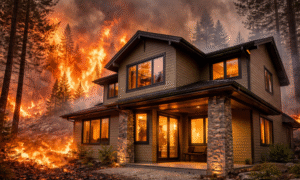
When a fire breaks out in a building, the margin for error is measured in seconds. Wildfires have burned nearly 5 million acres across the United States this year. These numbers show that fire risk remains a serious concern nationwide. Fire-resistant coatings are an essential layer in wildfire defense. However, this coating is only reliable if it’s applied perfectly.
This is where building inspectors come in. They have an essential role in ensuring that a building’s fire-resistant coatings are applied correctly. In this blog, we detail the critical compliance checklist inspectors use and the standards they follow. We will also outline the most common failures building inspectors encounter during inspections.
Why Fire-Resistant Coatings Matter for Your Building
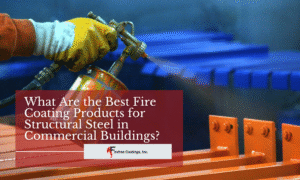
These coatings are specialized materials applied to fire-exposed surfaces. Their job is to delay the effects of fire. Intumescent coatings are the most common for structural steel. They remain thin and unobtrusive during normal conditions. When exposed to intense heat, they expand. This expansion creates a thick, insulating char. This char shields the steel from heat, preventing it from weakening and collapsing.
Fire-retardant paints are different. They are generally used on materials like wood or drywall. Their primary function is to reduce the speed at which flames travel across a surface. They are essential for controlling initial fire spread. Building inspectors verify these paints because they contribute to a building’s overall fire safety system.
Rulebook for Building Inspectors Regarding Fire-Resistant Coatings
The rulebook for inspectors is built on model codes. This includes:
NFPA, ASTM, and UL Standards
NFPA standards often guide broader fire safety systems. ASTM and UL provide the critical testing standards that prove a product’s worth. Building inspectors verify that the coatings on site match the products that passed these tests. This verification is a non-negotiable item on any passive fire protection inspection checklist.
International Building Code
The International Building Code (IBC) is the most widely adopted baseline. The IBC specifies where fire resistance is required. It also mandates how it must be verified. This means a building inspector must observe the work. They follow standards like the AWCI 12-B manual for intumescent coatings.
Authorities Having Jurisdiction (AHJs)
Local authorities hold final power. A city or county building official is the Authority Having Jurisdiction (AHJ). Their local amendments reflect specific regional concerns regarding building fire protection. A coastal area, for example, might stress corrosion under the coating. A wildfire-prone region in the U.S. that experiences millions of burned acres annually could adopt stricter rules for exterior applications. The AHJ enforces these local standards.
What Is the Passive Fire Protection Inspection Checklist for Building Inspectors?
- Inspectors confirm that coatings have undergone required third-party testing and listings (e.g., UL, ASTM) and are documented in the construction permit submittals.
- They confirm that the fire-resistance ratings of these coatings are correctly documented.
- Inspectors verify that coatings are applied in accordance with the written application guidelines to achieve the specified fire-resistance rating.
- Before application, the inspector verifies that the surface is clean, free of contaminants, and properly prepared to promote adhesion.
- They also verify application conditions such as ambient temperature, humidity, and ventilation, ensuring they align with manufacturer specifications.
- Inspectors assess that fire-resistant coatings fully cover the intended surfaces with no gaps, voids, or thin spots.
- For products such as intumescent coatings, inspectors use thickness gauges and follow AWCI 12-B procedures to verify that the dry film thickness meets the required value at multiple locations.
- If coatings are applied over previously painted or primed surfaces, inspectors may conduct adhesion or bonding tests in accordance with code or standard practices.
Top 4 Passive Fire Inspection Failures Building Inspectors Find
Building inspectors are trained to identify common failures that compromise a system’s strength:
- Incorrect Thickness: Even a slight deviation from the specified DFT (dry film thickness) can drastically reduce protection time. Coatings that are too thin will fail prematurely. It applies similarly to those that are too thick, which may not cure correctly.
- Poor Adhesion: Applying coatings over incompatible primers, contaminated surfaces, or existing paint without approval can cause delamination under heat.
- Incomplete Coverage: Gaps or thin spots at edges, welds, or connections create direct pathways for heat, nullifying the protection on the entire member.
- Environmental Damage: Applying coatings in excessive humidity, rain, or outside temperature ranges can prevent proper curing and adhesion from the start.
Conclusion
Fire-resistant coatings must be inspected carefully to meet code requirements. Building inspectors verify that fire-resistant coatings are applied in accordance with strict regulations. Their checks on thickness, coverage, and materials ensure the coating will work in a real fire. This process helps maintain structural stability, extending evacuation time and supporting safer firefighting operations.
At Firefree Coatings, our fire-resistant coatings meet these exacting demands. Our coatings comply with or exceed the leading fire test standards, including ASTM E119, ASTM E84, and others. By setting the highest benchmarks in fire protection, we help inspectors and builders with certified solutions. Contact us today!