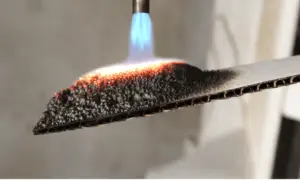

Fire safety is not something to compromise on. In buildings, homes, and industrial setups, structural materials like wood and steel need protection against fire. This is where a 2 Hour fire-rated paint for wood and steel comes in. It’s used to slow down fire, giving people more time to escape and structures more time to stay intact. One popular type is intumescent fire-resistant coating, which reacts to heat by expanding and forming a protective layer.
Not only does it protect the structure, but it also minimizes property damage. Builders, contractors, and homeowners often prefer this coating because it is easy to apply, environmentally safe, and effective on both wood and steel surfaces. In this blog, we will discuss how these paints work, the testing standards they meet, and the major benefits of using them.
What Is 2 Hour Fire-Rated Paint for Wood and Steel?
2 Hour fire-rated paint for wood and steel is a special kind of paint that can resist fire for up to two hours. This doesn’t mean the material won’t burn, but it slows down the spread. For wood, it prevents rapid ignition and charring. For steel, it delays structural weakening that can lead to collapse.
The key feature of this paint is its intumescent fire-resistant coating. When exposed to heat, it swells and forms a thick char layer. This char acts as a shield between the fire and the material underneath. You can think of it as a personal fire suit for your building materials. Unlike regular paint, intumescent coatings are designed to protect the integrity of structural elements during critical fire events.
What Are the Testing Standards for Fire-Rated Paints?
Before a paint is labeled as “2 hour fire-rated,” it has to pass several tests. These tests ensure that the coating will perform when it matters most. Some of the most common testing standards include:
ASTM E119
- This is the primary test for any 2 hour fire-rated paint for wood and steel.
- It measures the ability of the coated assembly to withstand fire for a specified duration (in this case, 2 hours).
- Without this test, you cannot legally claim a “2 hour fire rating.”
NFPA 286 Room Corner Test
- For 2 hour fire-rated paint for wood and steel, it is especially important for interior applications.
- It assesses flame spread and smoke production in realistic conditions.
- Even if the structural rating (ASTM E119) says the material can survive 2 hours, NFPA 286 ensures the coating limits fire growth and flashover in enclosed spaces.
ASTM E84 (Surface Burning Characteristics / Flame Spread)
- This test measures how fast flames travel across a coated surface.
- For a 2 hour fire-rated paint for wood and steel, this test is important for interior surfaces, especially walls, ceilings, and panels.
- It doesn’t directly determine the “2 hour structural rating” like ASTM E119, but it ensures that flames don’t spread rapidly across the surface of coated wood or steel.
ASTM E662 (Smoke Density)
- This test measures the amount of smoke generated when the coating is exposed to heat or fire.
- This is important for life safety, even if the structure lasts 2 hours, thick smoke can make escape dangerous.
- For 2 hour fire-rated paint, passing this test shows that the coating limits smoke production and helps occupants evacuate safely.
Fire-rated paints are also inspected and certified by third-party agencies. This is to ensure their proper application and compliance. These tests confirm that a 2 hour fire-rated paint for wood and steel can maintain structural strength and limit smoke spread during a fire.
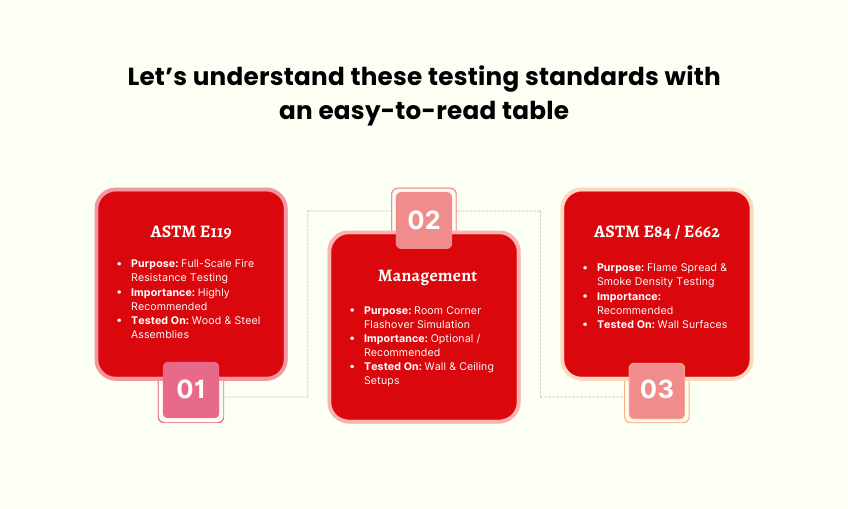
Let’s understand these testing standards with an easy-to-read table:
| Test Standard | Purpose | Necessary | Substrate Tested |
| ASTM E119 | Full-scale fire resistance | Highly Recommended | Wood & Steel assemblies |
| NFPA 286 | Room corner flashover simulation | Optional / Recommended | Wall/ceiling setups |
| ASTM E84 / E662 | Flame spread & smoke density | Recommended | Wall surfaces |
Where Can I Apply 2 Hour Fire-Rated Paint?
2 Hour fire-rated paint for wood and steel is highly versatile. It can be applied across a range of settings, including construction and transportation. This paint is applied to the most common substrates, such as:
Wooden Substrates:
- Wood (solid timber, beams, panels)
- Gypsum board (sheetrock, plasterboard)
- Lathe and plaster
Steel / Metal Substrates:
- Galvanized steel
- Aluminum
- Thin-gauge metal
- Embossed/pressed metal tin
How to Apply Fire-Rated Paint on Wood and Steel?
- Proper surface preparation is very important before applying fire-rated paint.
- Make sure the application surface is clean, dry, and free of dust, grease, or other contaminants.
- For wood, avoid applying paint when the relative humidity is above 75%. Although the exact specification varies by manufacturer.
- For steel, a primer is usually needed to improve adhesion and ensure the coating sticks properly.
- Apply the paint when the ambient and surface temperatures are between 50°F (10°C) and 95°F (35°C).
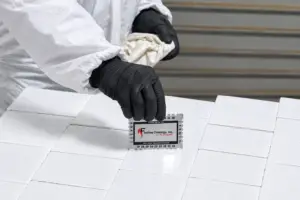
- This coating can be applied using a sprayer, brush, or roller. An airless sprayer is often recommended for large steel structures.
- You may need to apply multiple coats to get the required thickness. The coating thickness directly affects fire performance.
- Drying times can vary, and full curing may take up to 30 days.
What Are the Benefits of Applying 2 Hour Fire-Rated Paint?
There are various reasons builders and homeowners select intumescent fire-resistant coating. This includes:
- Increased Safety: This primary benefit is obvious. It increases fire safety. By providing up to two hours of protection, the coating can prevent structural collapse and reduce smoke spread. This gives occupants critical time to evacuate.
- Cost-Effective: This paint is very affordable. Less material is required compared to bulky fireproofing boards, and labor costs are lower because the paint is easy to apply.
- Versatility: It can be used on a range of wooden and steel substrates in the transportation and construction industries. This makes it a one-stop solution for different construction projects.
- Environmental Safety: Most modern intumescent fire-resistant coating products are water-based, non-toxic, and low in volatile organic compounds (<36 g/L). This makes them safe for indoor use and environmentally friendly.
- Minimal Aesthetic Impact: Unlike traditional fireproofing coatings, intumescent paints are thin and unobtrusive. They can be tinted or covered with decorative finishes without affecting performance.
Final Thoughts on 2 Hour Fire-Rated Paint for Wood and Steel
2 hour fire-rated paint provides reliable protection for wood and steel structures during a fire. It works by forming a protective layer when exposed to heat. It slows down flames and smoke, and gives people more time to evacuate.
At Firefree Coatings, our FF88® fire-resistant coating sets the standard for protecting a wide range of materials and structures. Tested to withstand temperatures up to 1093°C (2000°F) for up to two hours, FF88® provides a reliable fire barrier when it matters most. Contact us today to find out how our FF88® can help increase your building’s fire safety.