
Fire-Retardant Vs. Fire-Resistant Paint for Wood: What’s the Difference?
In the event of a wildfire, wood is the primary material to burn. This reality becomes more serious when we look at recent fire data. According to the National Interagency Fire Center, there have already been 870 fires affecting 8,160 acres in 2026 so far, and many of these fires spread rapidly because of wood-based structures.
Because of this risk, builders and homeowners often seek ways to reduce how wood behaves in fires. Two commonly used solutions are fire-retardant and fire-resistant paint, especially when discussing wood products. Despite sounding interchangeable, these two terms describe very different fire-protection strategies. In this blog, we will discuss the major differences between fire-retardant and fire-resistant paint for wood in detail.
What Is Fire-Retardant and Fire-Resistant Wood?
Fire-retardant wood is wood that has been coated to slow the spread of fire. It does not stop wood from burning completely. Instead, it changes how the wood reacts when it comes into contact with flames. Fire-retardant treatments are designed to reduce how quickly fire moves across the surface.
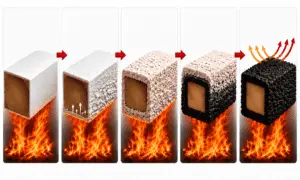
When the wood is exposed to heat, the chemicals in the treatment begin to react. They may form a char layer on the surface or release gases that reduce flammable vapors. This process helps slow down burning and limits flame growth. The fire has less fuel to spread quickly.
Fire-resistant wood refers to wood systems designed to hold up during fire for a set period. Wood is not naturally fire-resistant, so this performance comes from special designs and tested treatments.
Applying fire-resistant paint to wood helps reduce heat penetration and slows structural damage. These systems are used where building codes require materials to resist fire for a specific amount of time.
Major Differences Between Fire-Retardant and Fire-Resistant Wood
Here’s a side-by-side breakdown to make the differences clearer:
| Factor | Fire-Retardant Wood | Fire-Resistant Wood |
| Purpose | Slows down flame spread on wood surfaces | Helps wood withstand fire for a defined time |
| Fire Behavior | Delays ignition and reduces burning speed | Limits heat penetration and structural damage |
| Type of Protection | Chemical treatment or fire-retardant paint for wood | Engineered systems or fire-resistant paint for wood |
| Performance Standard | Measured by flame spread and smoke development | Measured by fire-resistance rating (time-based) |
| Typical Use | Interior paneling, furniture, decorative wood | Fire-rated doors, partitions, and structural wood |
Role of Fire-Resistant Paints and Coatings in Wood Fire Protection
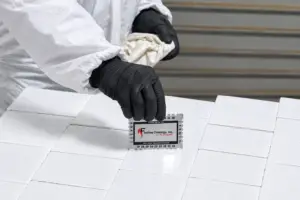
Paints and coatings play a major role in improving wood fire performance. Fire-retardant paint for wood is commonly used in residential and commercial interiors. It is easier to apply and can be added to existing wooden surfaces. Fire-resistant paint for wood is often thicker and designed to provide thermal insulation.
These fire-rated wood coatings are generally part of a tested system rather than standalone solutions. Their performance depends on correct application thickness and surface preparation. Both types of paint require maintenance. Over time, wear, moisture, and surface damage can reduce their effectiveness.
Fire-Retardant vs. Fire-Resistant Paint for Wood: Which Is the Best?
When you select between fire-retardant and fire-resistant wood, remember that the choice depends on regulatory requirements. Building codes often specify where flame-spread control is sufficient and where fire-resistance ratings are required.
Budget and maintenance are also major factors to consider when deciding between them. Fire-resistant systems may involve higher costs and stricter installation standards. This is why fire-retardant solutions are generally more accessible.
Note: Click “How to Apply Fire Retardant Paint on Wood Properly” to learn more.
A Clear Perspective on Wood Fire Safety
Wood will remain a preferred building material due to its availability and versatility. However, fire statistics show that unmanaged wood can contribute to faster fire growth. Understanding the differences between fire-retardant and fire-resistant paints can help prevent costly mistakes in material selection and code compliance.
At Firefree Coatings, we offer both fire-retardant and fire-resistant paint solutions for wood, designed to meet different fire-safety needs and code requirements. Our coatings are non-toxic, low in VOCs, and engineered to avoid hazardous outgassing during a fire. Contact us today!