
Different Types of Intumescent Paint for Steel: Water Based Paint Vs Solvent Based Paint
Intumescent paint is essential in modern construction, providing crucial fire protection for steel structures. As steel is the primary material used in many commercial, industrial, and residential projects, ensuring its stability under high temperatures is a top priority. This is why selecting the correct intumescent paint for steel is an important decision in structural design.
However, the primary choice often narrows down to two categories- water based and solvent based intumescent paints. In this blog, we are going to talk about the major differences between them and the core mechanisms of these paints.
Understanding the Core Mechanisms of Intumescent Paint for Steel
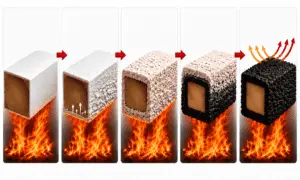
Both water based and solvent based intumescent paints for steel function on the same fundamental principle. When heated, their chemical compounds undergo a reaction. This causes the coating to expand dramatically, often up to 100 times its original thickness.
As a result, these paints form a stable, carbonaceous char. This char insulates the steel, significantly slowing the rate at which it reaches critical failure temperatures (generally around 500 °C to 620 °C) and thereby preserving its load-bearing capacity.
Differences Between Water Based & Solvent Based Paints for Steel
When you consider “solvent based paint vs water based paint”, for steel, it depends entirely on the project’s location and conditions.
Solvent & Composition
Water based paints use water as the primary solvent. The intumescent chemicals, including the binder, pigments, and fillers, are suspended or dispersed within the water medium. On the other hand, solvent based paints rely on organic chemical compounds as their primary solvents. These compounds act as carriers for the intumescent ingredients, which then evaporate during the drying process.
Durability & Protective Qualities
Solvent based paints provide a hard, durable finish that resists scratches and abrasion. This toughness is crucial for steel in high-traffic areas. Water based paints form a softer film that is less resistant to physical damage before a topcoat is applied. For maximum durability in construction projects, a protective topcoat, such as a solvent based paint, is often recommended over a water based base.
Drying & Recoating Time
Water based paints typically dry very quickly. This often allows a subsequent coat to be applied in just a few hours, significantly speeding up project timelines. Solvent based paints require much longer drying and curing times between coats. This extended waiting period can slow overall progress on a painting project compared to using water based alternatives.
Clean-Up & Maintenance
Water based paint is very easy to clean up with just soap and water. This simplicity makes the job easier for painters and eliminates the need for harsh chemicals. Solvent based paints require strong chemical solvents for cleaning tools and thinning the paint. These materials are flammable, emit strong odors, and require careful handling and disposal.
Environmental & Health Impact (VOCs)
Water based paints have a major advantage due to their very low VOC (Volatile Organic Compound) levels. This makes them an environmentally friendly option that is safer for applicators and building occupants.
Solvent based paints contain high levels of powerful VOCs. These solvents can cause significant health problems and contribute to environmental pollution, which is why their use is heavily regulated.
Odor & Application Environment
Water based paints have very little odor, making them ideal for interior construction projects. They are the superior choice for steelwork in occupied buildings such as schools and hospitals, especially when applying intumescent paint to steel.
Solvent based paints produce a strong odor during application. This characteristic makes them unsuitable for most interior projects but acceptable for exterior steel structures where ventilation is not required.
Weather & Climate Resistance
Solvent based paints perform exceptionally well in damp or cold conditions and can be applied at low temperatures. This high resistance to extreme weather makes them the ideal choice for exterior steel structures.
Water based paints are more dependent on favorable weather conditions for application. They should not be used at low temperatures because the water in the paint can freeze, which prevents proper curing and adhesion to the steel.
Conclusion
The choice between water based and solvent based intumescent paint for steel depends on the project’s specific requirements. Water based options offer low odor, quick drying, and easier cleanup, ideal for occupied interiors. Solvent based paints provide superior durability and weather resistance for demanding exterior applications. Ultimately, selecting the correct type is important for ensuring long-lasting fire protection for steel structures.
At Firefree Coatings, we offer low-VOC intumescent paint for steel. In a fire, this coating ensures no dangerous outgassing, gives occupants critical extra time to evacuate safely, and protects your steel assets from damage. For more information, contact us today!